Extended Reality (XR) is a new buzzword in major industries especially in gaming, sports, healthcare and education. But do you know what XR means and how it can have a huge impact on the future? Well, let’s first understand the basics and how it is different from AR and VR. In this blog, you will also learn about how to integrate XR with new devices.
What is Extended Reality?
Extended reality is also known as cross reality which is associated with the concept of virtual worlds. It has been mentioned in many technology-related books, and sci-fi movies, and used in computer science industries for the last few years. These days, extended reality is transforming many industries with numerous advantages.
Also Read: Machine Learning: Different Types, Benefits and Applications
Extended reality aims to enable connectivity in different virtual worlds while developing solutions to various real-world challenges. XR has great potential to revolutionize work operations. Whether it is close to real-life digital social connectivity or employee training for enhancing productivity, XR can offer a great advantage.
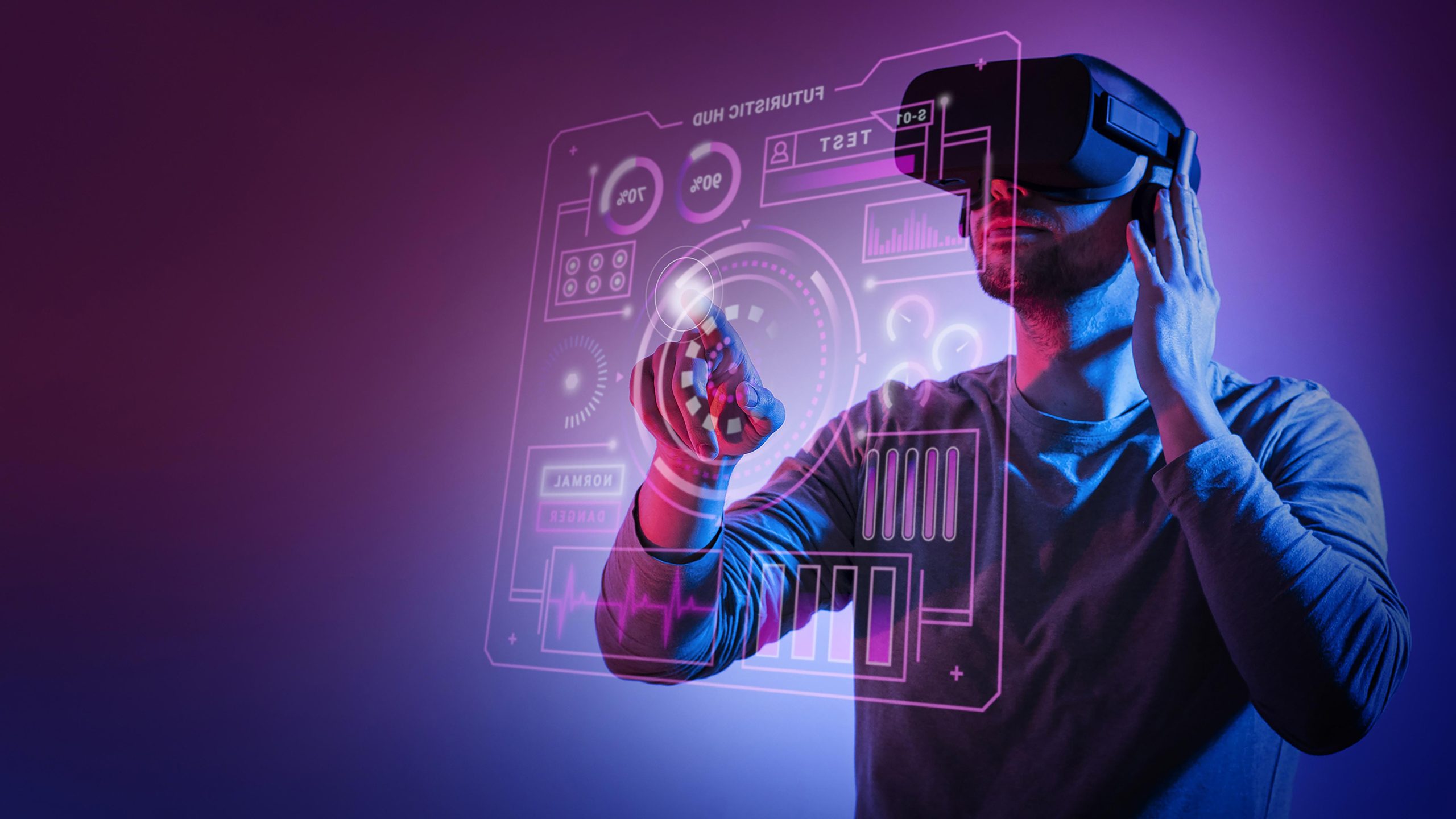
XR makes use of hardware devices which include, but are not limited to sensors, cameras, and headsets. This enables features to help gather the essential data in a real-life environment and generate a virtual overlay.
What are the Types of Extended Reality?
The types of extended reality are augmented reality, virtual reality, and mixed reality. These are the 3 domains of extended reality providing unmatched experience through virtual immersion.
AR (Augmented Reality):
Augmented reality is the sub-set of extended reality. In AR, it is easy to capture live video of your surroundings and then add some visual elements to improve it. In other words, it is the technology that uses virtual objects in the real world. It is easy to experience the benefits of AR through tablets and smartphones. The famous AR example you have seen is in Pokemon Go, a mobile game. AR has been used in the gamification, sports industry and various ongoing training.
VR (Virtual Reality):
Virtual reality is also a subset of extended reality, which offers an immersive gaming or computing experience. It happens when the entire area of the vision of the user is about the display of the device. It is the most exciting technology today that can be experienced in the complex world. It provides a revolutionary interface to get into the virtual world.
MR (Mixed Reality):
Mixed reality is the combination of both augmented reality and virtual reality. In MR, users can get a virtual experience while connecting to the elements in the real world but getting additional immersion due to VR. AR and MR are quite similar but they cannot be interchangeable. To experience MR, users need to have specific wearable devices to experience the combination of AR and VR in a virtual world.
The most common use cases of XR you can witness are in gaming, employee training, metaverse, marketing, and customer experience. There is no doubt that XR is rapidly growing to contribute to the betterment of the future.
If you are interested in learning more about IPv6 and tech-related topics, then keep reading on TecBrilliant!