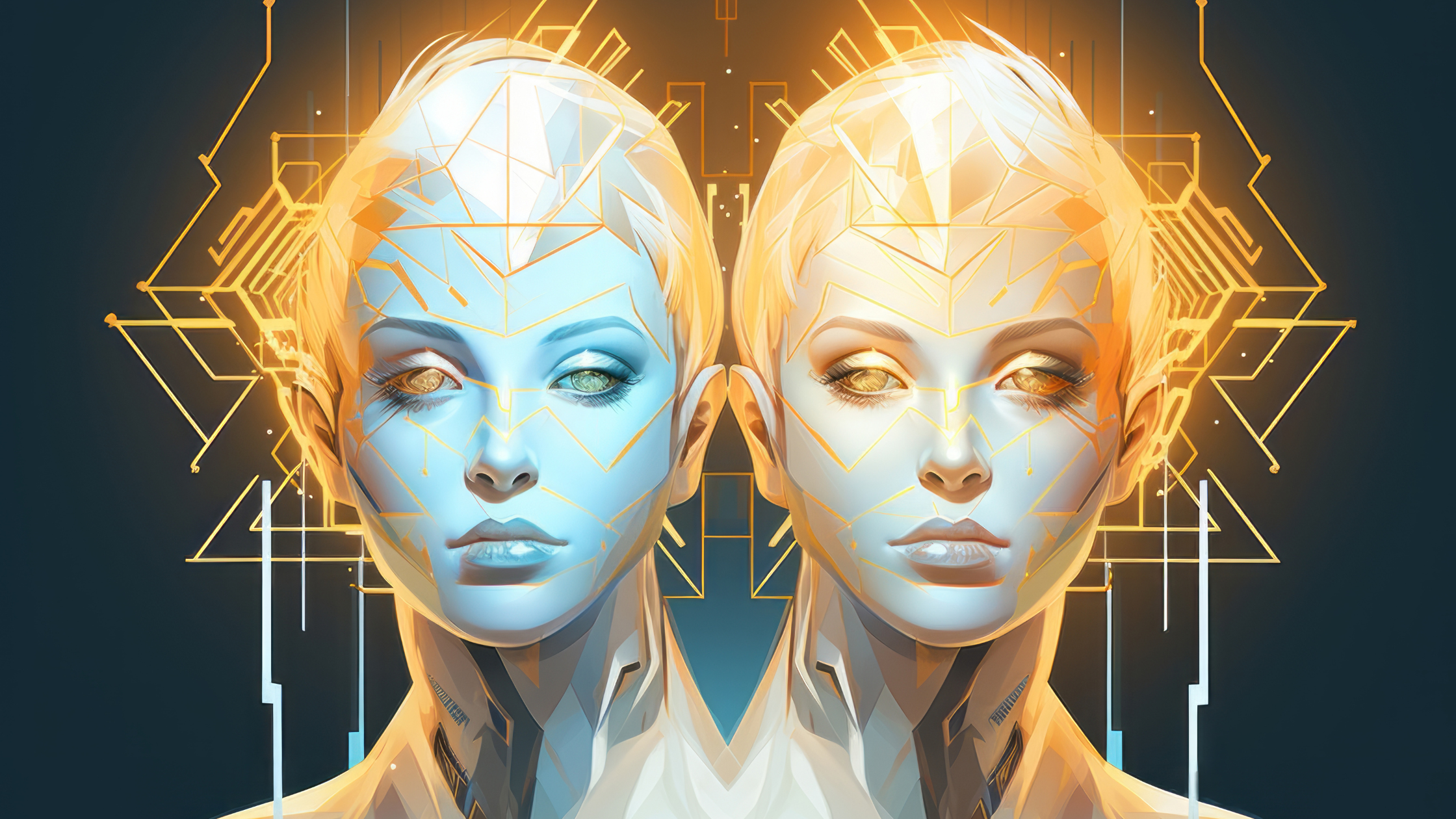
A digital twin is the visual representation of any physical object, service, or process that looks and behaves as the counterpart in this digital world. In other words, a digital twin is a digital replica of any physical object such as a wind farm, jet engines, and even larger buildings. The digital twin is in demand to replicate the process and operate simulations to gather data and anticipate how things will look and perform.
It is a computer program that involves data from the real world to predict the process using simulation. Here, the simulations are created based on both historical as well as existing data. These programs integrate the latest technologies such as artificial intelligence, the Internet of Things, and software analytics to boost the outcome. The combination of IoT sensors with other cutting-edge technologies in the real world helps in transferring the data into visual representation in this digital era.
Working Process of Digital Twin Technology
The process of digital twins begins with the experts who boast knowledge in data science or mathematics research on the operational data of the physical objects to develop the mathematical model that is a replica of the original object.
The developers who work on the digital twin project make sure that the virtual representation receives the proper feedback from the sensors that collect the real-world data. This helps to mimic and simulate the process shaping with the original model. This ultimately helps to create opportunities to collect clear insights, identify potential issues, and improve performance.
What Industries are Leveraging Digital Twin Technology?
Many industries are using digital twins to create virtual models of their real-world systems. These industries include-
- Manufacturing: Digital twins are used in manufacturing industries to support the entire phase from design to development and manufacturing facilities. It allows us to analyze and monitor the performance of the equipment.
- Construction: Construction experts use digital twins to strategically plan residential, industrial, and commercial projects while getting real-time data to monitor occupancy, temperature, air quality, and other factors.
- Automotive: The Automotive industry uses digital twin technology to get the replica of their vehicles to get insight into their physical behavior along with the mechanical, software, and electrical models.
- Healthcare: The healthcare sector leverages digital twins to model organs in labs and healthcare facilities to check how patients will respond to specific treatments.
- Energy: Digital twins technology is also in huge demand in the energy sector for strategic planning of projects and to boost the performance of existing assets such as refining facilities, offshore installation, solar projects, and wind farms.
With the advancements of AI and machine learning along with factors such as big data, digital twins have become a cornerstone in modern engineering solutions that drive innovation as well as enhanced performance. However, creating digital twins requires strategic technology practices to eliminate the chances of costly failure in creating a visual representation of the physical objects. Experts use advanced analytics with predictive features, test services, and processes.