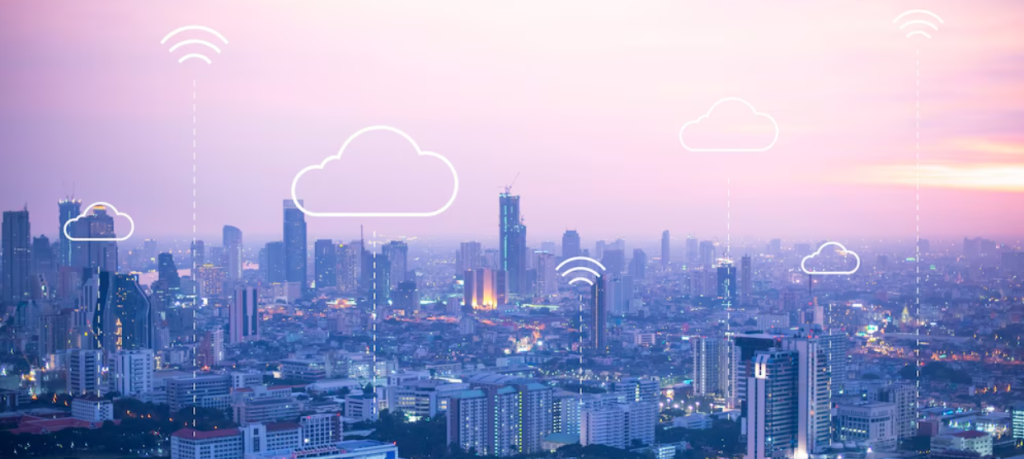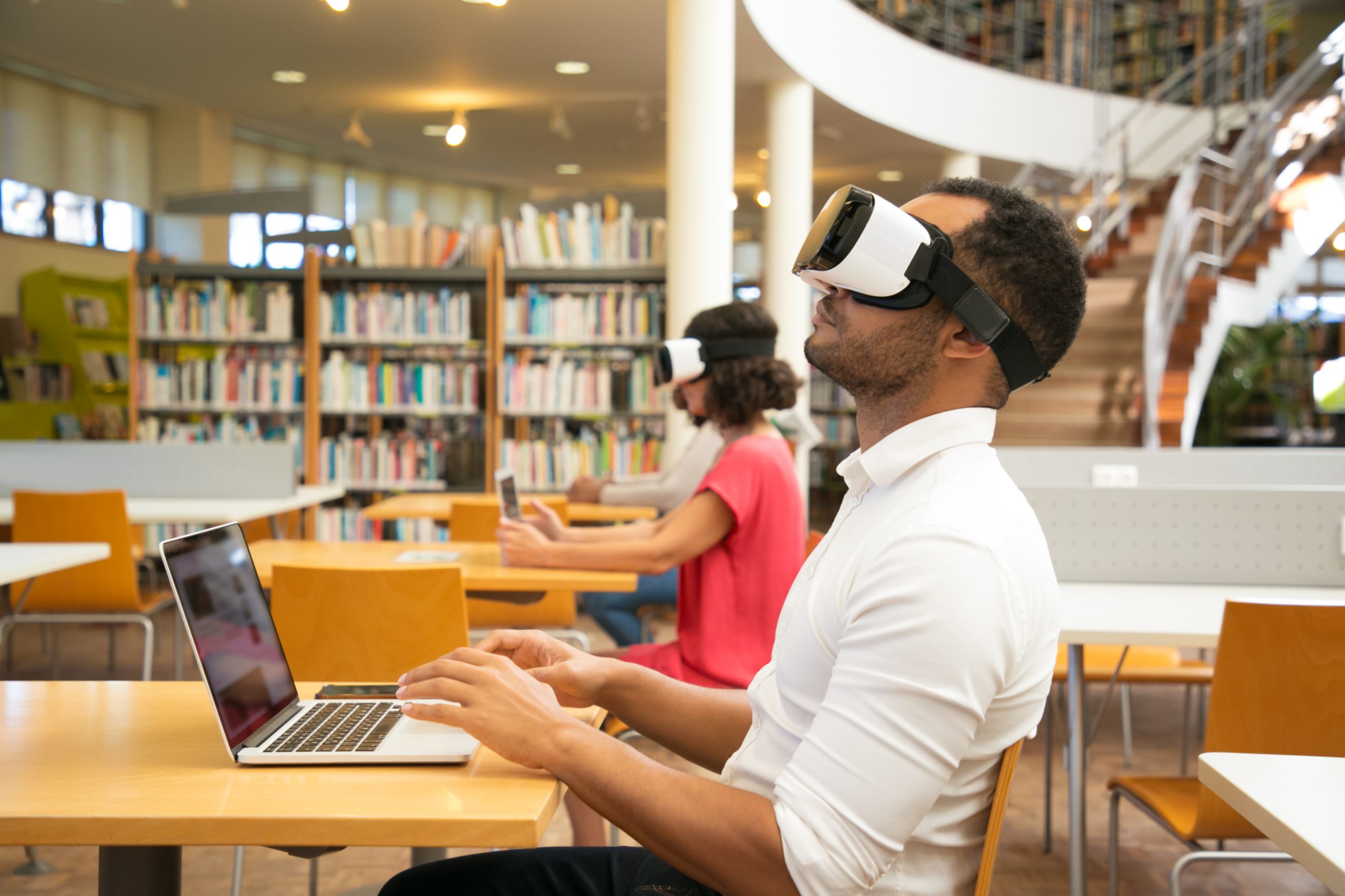
In this digital era, you can find a plethora of technological advancements helping schools, colleges, universities, and other educational institutions to improve their learning approaches. Apart from AI, big data, machine learning, and cloud computing, IoT is also widely adapted to develop innovative and efficient learning methods for learners. However, the scope of IoT in the education sector is vast, and students and teachers should utilize and appreciate it. Incorporating IoT-based practices will help education to ensure smart classroom solutions that will have a significant impact on the education industry.
So, let’s understand what IoT is.
IoT is an abbreviation for Internet of Things, which is an advanced technology that enables home appliances to interact with your devices through applications that run on the Internet. The motive of IoT is to make human lives easier through automation. If the device is connected to the internet and can be able to transfer information, it is considered an IoT smart device.
Impact of IoT in Education
IoT in education means incorporating the potential of IoT devices and technological trends into the education system to enhance the learning experiences for both students and teachers. It involves the utilization of smart boards, sensors, and some wearables to gather data and ensure streamlined processes. This creates great learning opportunities while making learning more engaging and effective for today’s students.
IoT helps the education sector with-
- Improved Access to Learning
- Resource Management
- Real Time Data Management
- Smart Security Solutions
- Research
- Operating Costs
- Efficient Administration and Management
- Inclusivity for specially-abled students
Common Applications of IoT in the Education Sector:
Screen Readers:
Screen readers are one of the best applications of IoT in the education system that benefit visually challenged students who cannot read from smart screens. Screen readers are used to convert the text on the screen so that students with visual impairments can read effectively.
Attendance Systems:
Biometric attendance systems developed using IoT technology allow schools to manage their attendance systems. It is easy to utilize face scanners, retinal scanners, and fingerprint scanners to read the attendance of students.
Remote Monitoring:
Wearable Health devices allow institutions to record and analyze a range of health-related data such as sleep patterns, heart rate, pulse as well as physical activities.
Remote Learning:
Students and teachers can connect and continue online sessions regardless of their location. Thanks to remote learning for making distance learning and SE learning possible predictors and learners.
Intelligent Classrooms:
With the advancement of IoT, intelligent classrooms are becoming popular in the education industry. With the incorporation of sensors and IoT devices, intelligent classrooms can adjust temperature, lighting, and other other settings automatically depending on the specific needs of the learners.
Personalized Learning:
IoT solutions deliver personalized learning to the students by gathering data about their styles and preferences. It simplifies the process for students to learn specific concepts and delivers more targeted guidance.
Summarizing this, IoT is making learning quite easier and more effective today. It is offering the ultimate solution for the new age classrooms. The IoT based intelligent classrooms, learning apps, teaching apps, and parent apps are offering better experience and results.